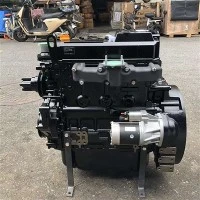
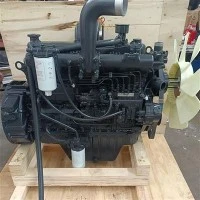
As a seasoned supplier of Deutz diesel engines, I've encountered numerous inquiries from clients about the fuel requirements of these high - performance machines. The question "Do Deutz diesel engines require special fuel?" is one that warrants a detailed exploration.
Understanding Deutz Diesel Engines
Deutz has a long - standing reputation for manufacturing robust and reliable diesel engines. These engines are used in a wide range of applications, from agricultural machinery to construction equipment, power generation, and marine vessels. Their design is optimized for efficiency, durability, and high - power output.
The advanced engineering of Deutz engines allows them to operate effectively under various conditions. However, like all diesel engines, they have specific requirements when it comes to fuel.
General Diesel Fuel Requirements
All diesel engines, including Deutz, rely on diesel fuel as their primary energy source. Diesel fuel is a hydrocarbon - based fuel derived from crude oil through a refining process. The quality of diesel fuel can significantly impact the performance and longevity of an engine.
The basic properties of diesel fuel that are crucial for engine operation include cetane number, density, viscosity, and sulfur content. The cetane number measures the ignition quality of diesel fuel. A higher cetane number means the fuel ignites more easily, resulting in smoother engine operation and reduced emissions. Deutz engines generally require diesel fuel with a cetane number of around 45 - 55, which is within the typical range for most commercial diesel fuels.
Density and viscosity affect the fuel's flow characteristics. If the density is too high or the viscosity is too thick, it can lead to poor fuel atomization in the combustion chamber, causing incomplete combustion, reduced power output, and increased fuel consumption. Deutz engines are designed to work with diesel fuels that meet the standard density and viscosity specifications.
Sulfur content is another important factor. High - sulfur diesel fuels can cause corrosion in the engine components and increase emissions of sulfur oxides. In recent years, there has been a global trend towards using low - sulfur diesel fuels. Deutz engines are compatible with ultra - low - sulfur diesel (ULSD) fuels, which typically have a sulfur content of less than 15 parts per million (ppm).
Special Considerations for Deutz Engines
While Deutz engines can run on standard diesel fuels that meet the general quality requirements, there are some special considerations.
Cold - Weather Operation
In cold climates, the properties of diesel fuel can change. Diesel fuel can gel at low temperatures, which can clog fuel filters and prevent the engine from starting. Deutz engines may require the use of winter - grade diesel fuel or the addition of fuel additives to improve its cold - flow properties. Winter - grade diesel has a lower cloud point and pour point, which means it remains liquid at lower temperatures. Fuel additives can also be used to lower the cloud point and prevent the formation of wax crystals in the fuel.
High - Altitude Operation
At high altitudes, the air density is lower, which can affect the combustion process in the engine. Deutz engines may need a slight adjustment in the fuel - air mixture to maintain optimal performance. In some cases, using a fuel with a slightly higher cetane number can help improve combustion efficiency at high altitudes.

Biofuels and Blends
Deutz is committed to environmental sustainability, and their engines are designed to be compatible with certain biofuels and fuel blends. Biodiesel, which is made from renewable sources such as vegetable oils or animal fats, can be used in Deutz engines in blends of up to B20 (20% biodiesel and 80% petroleum - based diesel). However, it's important to note that the use of biodiesel requires careful consideration. Biodiesel has different chemical properties compared to petroleum - based diesel, such as higher viscosity and lower energy content. It can also cause issues with fuel system components if not properly maintained.
Specific Models and Their Fuel Requirements
Let's take a look at some specific Deutz engine models and their fuel requirements.
The [Deutz TCD2013L062V Motor](/diesel - engine/deutz - diesel - engine/deutz - tcd2013l062v - motor.html) is a high - performance engine commonly used in heavy - duty applications. This engine is designed to run on high - quality diesel fuel that meets the European EN 590 standard or the equivalent ASTM D975 standard in the United States. These standards ensure that the fuel has the appropriate cetane number, density, viscosity, and sulfur content for optimal engine performance.
The [Deutz BF8M1015CP Diesel Motor](/diesel - engine/deutz - diesel - engine/deutz - bf8m1015cp - diesel - motor.html) is another popular model. It can operate on a wide range of diesel fuels, but it is recommended to use fuels with a cetane number of at least 45. This engine is also compatible with ULSD fuels, which helps reduce emissions and protect the engine's components from sulfur - related corrosion.
The [Deutz BF8M1015C Diesel Motor](/diesel - engine/deutz - diesel - engine/deutz - bf8m1015c - diesel - motor.html) has similar fuel requirements. It is engineered to provide reliable performance with standard diesel fuels that meet the industry - recognized quality specifications. However, like all Deutz engines, it may require special fuel considerations in extreme operating conditions.
The Importance of Using the Right Fuel
Using the correct fuel for Deutz diesel engines is essential for several reasons.

Firstly, it ensures optimal engine performance. The right fuel allows the engine to operate at its peak efficiency, delivering maximum power output and fuel economy. Incorrect fuel can lead to reduced power, rough idling, and increased fuel consumption.
Secondly, it extends the engine's lifespan. High - quality fuel helps prevent premature wear and tear of engine components. For example, low - sulfur fuel reduces the risk of corrosion in the fuel injectors, cylinders, and exhaust system.
Finally, using the right fuel helps meet environmental regulations. Deutz engines are designed to meet strict emission standards, and using the appropriate fuel is crucial for achieving compliance.
Conclusion and Call to Action
In conclusion, while Deutz diesel engines do not necessarily require "special" fuel in the strictest sense, they do have specific fuel requirements to ensure optimal performance, longevity, and environmental compliance. Standard diesel fuels that meet the relevant quality standards are generally suitable for most operating conditions. However, special considerations such as cold - weather operation, high - altitude operation, and the use of biofuels need to be taken into account.

If you are in the market for Deutz diesel engines or have questions about their fuel requirements, I encourage you to reach out. Our team of experts is ready to provide you with detailed information and guidance to help you make the best choice for your specific needs. Whether you are looking for a high - performance engine for a construction project or a reliable power source for a marine vessel, we have the right solution for you. Contact us today to start the procurement and negotiation process.
References
- Deutz AG. Technical manuals for Deutz diesel engines.
- International Organization for Standardization (ISO). ISO standards for diesel fuel quality.
- American Society for Testing and Materials (ASTM). ASTM D975 standard for diesel fuel.
- European Committee for Standardization (CEN). EN 590 standard for diesel fuel.