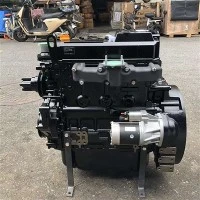
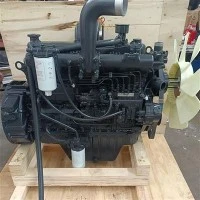
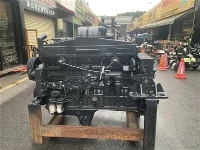
As a reputable supplier of Deutz Engine Alternators, I understand the importance of a reliable charging system in maintaining the performance of Deutz engines. A well - functioning alternator ensures that the battery is properly charged, powering all the electrical components of the engine. In this blog, I'll guide you through the process of installing a Deutz Engine Alternator, step by step.
Pre - installation Preparations
Before you start the installation process, it's crucial to gather all the necessary tools and materials. You'll need a socket set, wrenches, a multimeter, and of course, a new Deutz Engine Alternator. It's also a good idea to refer to the engine's service manual for specific instructions regarding your Deutz engine model.
Inspect the new alternator carefully to ensure it is in perfect condition. Check for any signs of damage, like cracked housings or bent terminals. Also, make sure that the alternator is the correct model for your Deutz engine. Consider the amperage and voltage requirements, as these can vary depending on the engine's electrical load.
Safety First
Safety always comes first when working on an engine. Make sure the engine is completely turned off and has cooled down. Disconnect the negative terminal of the battery to prevent any electrical shocks or short - circuits during the installation.
Locating the Alternator
The first step in the installation is to find the existing alternator in your Deutz engine. The alternator is typically located near the front of the engine, driven by a belt connected to the crankshaft. It is a rectangular - shaped component with electrical wires and a pulley attached to it.
Removing the Old Alternator
- Loosen the Belt: Start by loosening the alternator belt tensioner. This can usually be done by using a wrench or socket to turn the tensioner bolt. Once the belt is loose enough, you can slide it off the alternator pulley.
- Disconnect the Electrical Wires: There are two main types of electrical connections on the alternator: the battery terminal and the field terminal. Use a wrench to remove the nuts securing the wires to the terminals. Label the wires carefully so that you can reconnect them correctly later.
- Remove the Mounting Bolts: Locate the mounting bolts that hold the alternator to the engine block. These bolts are typically located at the top and bottom of the alternator. Use a socket set to remove these bolts. Once the bolts are removed, you can carefully lift the old alternator out of the engine compartment.
Installing the New Alternator
- Position the New Alternator: Place the new Deutz Engine Alternator in the same position as the old one. Make sure the mounting holes align properly with the holes on the engine block.
- Install the Mounting Bolts: Insert the mounting bolts through the holes in the alternator and into the engine block. Tighten the bolts securely using a socket set. However, be careful not to overtighten them, as this can damage the alternator or the engine block.
- Reconnect the Electrical Wires: Attach the electrical wires to their respective terminals on the alternator. Make sure the connections are tight by tightening the nuts with a wrench. Double - check the labels to ensure that the wires are connected correctly.
- Install the Belt: Slide the alternator belt back onto the pulley. Use the belt tensioner to adjust the tension of the belt. The belt should be tight enough so that it doesn't slip, but not too tight that it causes excessive wear on the bearings. You can use a belt tension gauge to measure the tension accurately.
Testing the Installation
After installing the new alternator, it's important to test it to make sure it's working properly.
- Reconnect the Battery: Reconnect the negative terminal of the battery.
- Start the Engine: Start the Deutz engine and let it run for a few minutes. Use a multimeter to measure the voltage at the battery terminals. The voltage should be between 13.5 and 14.5 volts. If the voltage is outside this range, there may be a problem with the alternator installation or the alternator itself.
- Check for Electrical Issues: While the engine is running, check all the electrical components in the engine compartment, such as the lights, radio, and gauges. Make sure they are all working properly. If any of the components are not working, there may be a loose connection or a problem with the alternator.
Additional Considerations
- Maintenance: Regular maintenance of the alternator is essential to ensure its long - term reliability. This includes checking the belt tension, the electrical connections, and the overall condition of the alternator.
- Compatibility: When replacing the alternator, always make sure that the new alternator is compatible with the Deutz engine and the electrical system. Incorrectly matched alternators can lead to overcharging or undercharging of the battery, which can damage the electrical components.
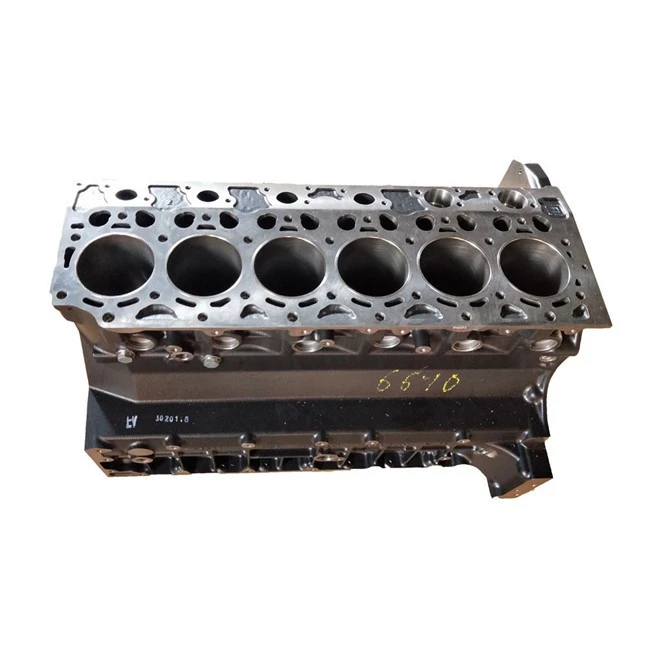
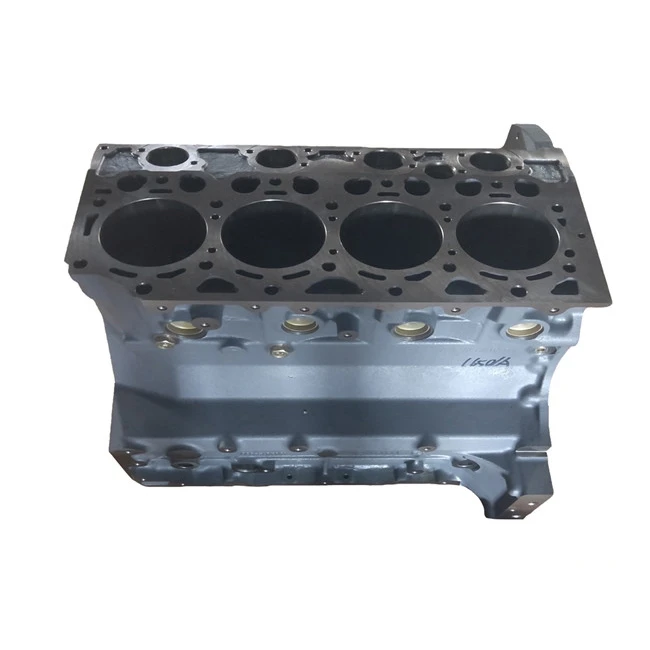
- Other Engine Parts: Along with the alternator, other parts of the Deutz engine also play important roles in its overall performance. For example, the Deutz Engine Cylinder Block provides the structural foundation for the engine, and the Deutz Engine Piston Ring helps in maintaining compression. Ensuring the good condition of these parts can also contribute to the smooth operation of the alternator.
Contact Us for Purchasing
If you're in need of a high - quality Deutz Engine Alternator or other related engine parts, we're here to help. Our products are sourced from reliable manufacturers and undergo strict quality control measures. We can provide you with the right alternator and all the necessary technical support. Whether you're planning an installation project yourself or need parts for a professional repair, we're the supplier you can trust. Reach out to us to discuss your requirements and start the procurement process.
References
- Deutz Engine Service Manuals
- Automotive Electrical Systems Textbooks