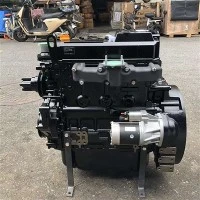
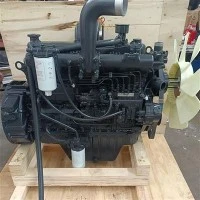
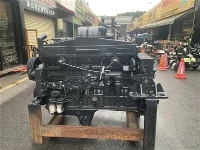
Hey there, folks! As a supplier of Isuzu diesel engines, I often get asked about the proper way to measure the engine oil level in an Isuzu diesel engine. It might seem like a simple task, but it's actually crucial for keeping your engine running smoothly and avoiding costly repairs. So, let's dive right in and go over the steps to measure the engine oil level in an Isuzu diesel engine.
Why Measuring Engine Oil Level is Important
First off, let's talk about why it's so important to measure your engine oil level regularly. Engine oil plays a vital role in lubricating the moving parts of your engine, reducing friction, and preventing wear and tear. It also helps to cool the engine by carrying heat away from the combustion chamber. If your engine runs low on oil, it can cause serious damage to the engine components, leading to decreased performance, increased fuel consumption, and even engine failure.
Before You Start
Before you start measuring the engine oil level, there are a few things you need to do. First, make sure your Isuzu diesel engine is parked on a level surface. This is important because if the vehicle is on an incline, the oil will pool on one side of the oil pan, giving you an inaccurate reading. Next, turn off the engine and let it cool down for at least 10-15 minutes. This allows the oil to drain back into the oil pan and gives you a more accurate reading.
Finding the Oil Dipstick
The next step is to find the oil dipstick. In most Isuzu diesel engines, the oil dipstick is located near the front of the engine, on the driver's side. It usually has a bright-colored handle, often yellow or orange, to make it easy to spot. Pull the dipstick out of the engine and wipe it clean with a rag or paper towel. This removes any oil residue from the dipstick and ensures an accurate reading.
Measuring the Oil Level
Once the dipstick is clean, insert it back into the dipstick tube all the way until it seats properly. Then, pull it out again and look at the end of the dipstick. You'll notice that there are two marks on the dipstick: a lower mark and an upper mark. These marks indicate the minimum and maximum oil levels for your engine.
If the oil level is between the two marks, your engine has the proper amount of oil. However, if the oil level is below the lower mark, it means your engine is low on oil and you need to add more. On the other hand, if the oil level is above the upper mark, it means there's too much oil in the engine, which can also cause problems.
Adding Oil
If your engine is low on oil, it's important to add the right type and amount of oil. Check your vehicle's owner's manual to find out the recommended oil type and viscosity for your Isuzu diesel engine. You can usually find this information in the maintenance section of the manual.
Once you know the right oil to use, you can add it to the engine. Locate the oil filler cap, which is usually located on the top of the engine. Remove the cap and slowly pour the oil into the engine. It's a good idea to add the oil in small amounts and check the oil level frequently using the dipstick. This helps prevent overfilling the engine.
Checking for Oil Contamination
While you're checking the oil level, it's also a good idea to check for oil contamination. Look at the color and consistency of the oil on the dipstick. Clean engine oil should be a clear, amber color. If the oil is black, dirty, or has a milky appearance, it could be a sign of engine problems or oil contamination.


Black, dirty oil is usually a sign that the oil needs to be changed. Over time, engine oil breaks down and accumulates dirt, debris, and contaminants, which can reduce its effectiveness. A milky appearance in the oil could indicate a coolant leak into the engine, which is a serious problem that needs to be addressed immediately.
Regular Maintenance
Measuring the engine oil level regularly is just one part of proper engine maintenance. It's also important to change the oil and oil filter at the recommended intervals. Most Isuzu diesel engines require an oil change every 5,000 to 10,000 miles, depending on driving conditions and the type of oil used.
In addition to changing the oil and oil filter, it's also important to follow the other maintenance recommendations in your vehicle's owner's manual. This includes things like checking the coolant level, inspecting the air filter, and rotating the tires. Regular maintenance helps keep your engine running smoothly and extends its lifespan.
Conclusion
Well, folks, that's how you measure the engine oil level in an Isuzu diesel engine. It's a simple process, but it's an important one for keeping your engine in good condition. By following these steps and checking your oil level regularly, you can avoid costly engine repairs and ensure that your Isuzu diesel engine runs smoothly for years to come.
If you're in the market for an Isuzu diesel engine, we're here to help. We're a leading supplier of ISUZU 4BG1 Diesel Engine and other Isuzu diesel engines, and we offer high-quality products at competitive prices. Whether you need an engine for a commercial vehicle, a generator, or any other application, we've got you covered.
If you have any questions or would like to learn more about our products, feel free to reach out to us. We'd be happy to assist you with your engine needs and help you find the right engine for your specific requirements.
References
- Isuzu Diesel Engine Owner's Manual
- Automotive Maintenance Guides