As a supplier of Cummins diesel engines, I understand the importance of ensuring the performance of these engines. Cummins engines are renowned for their reliability, durability, and efficiency, but like any mechanical device, they need to be properly tested to guarantee optimal performance. In this blog, I will share some insights on how to test the performance of a Cummins diesel engine.
Pre - test Preparation
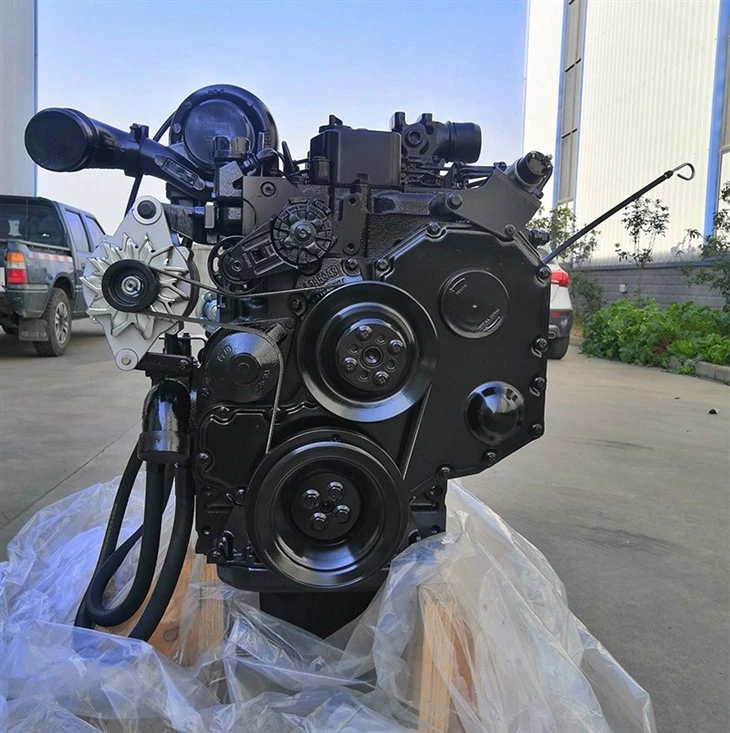
Before conducting any performance tests, it is crucial to perform a thorough pre - test inspection. First, visually inspect the engine for any signs of damage, such as cracks in the engine block, loose connections, or leaks in the fuel, coolant, or oil systems. Check the engine oil level and ensure it is at the appropriate level. Low oil levels can lead to increased friction and wear, which can significantly affect engine performance.
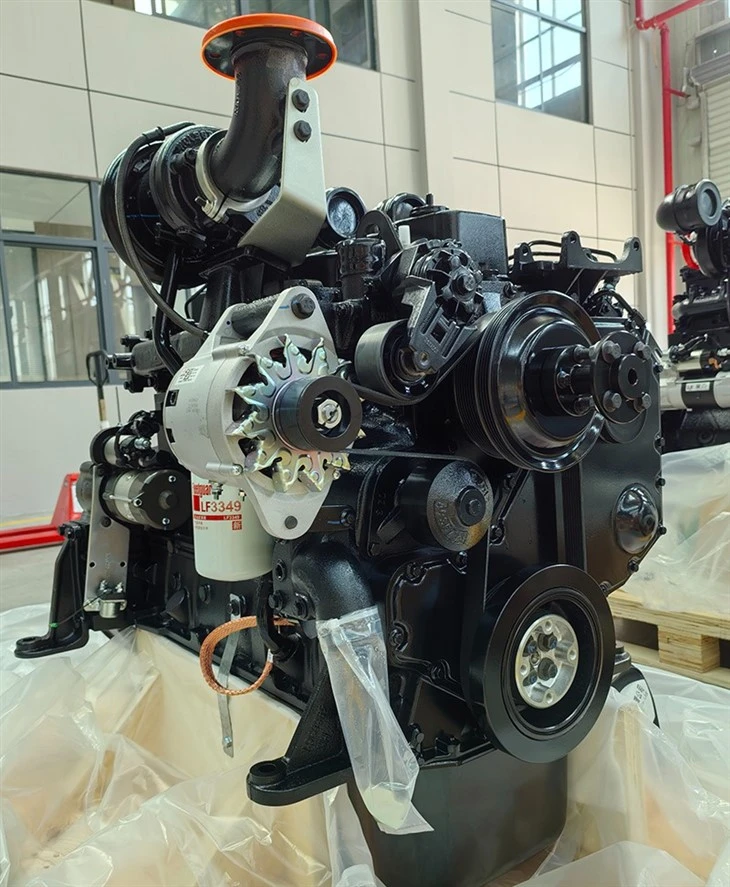
Inspect the air filter to make sure it is clean and not clogged. A dirty air filter restricts the airflow into the engine, reducing power output and fuel efficiency. Similarly, examine the fuel filter. A clogged fuel filter can impede the flow of fuel to the injectors, causing poor combustion and reduced engine performance.
Verify that all the engine sensors are functioning correctly. Modern Cummins engines are equipped with a variety of sensors that monitor parameters such as temperature, pressure, and engine speed. Faulty sensors can provide inaccurate data, leading to improper engine operation.
Dynamometer Testing
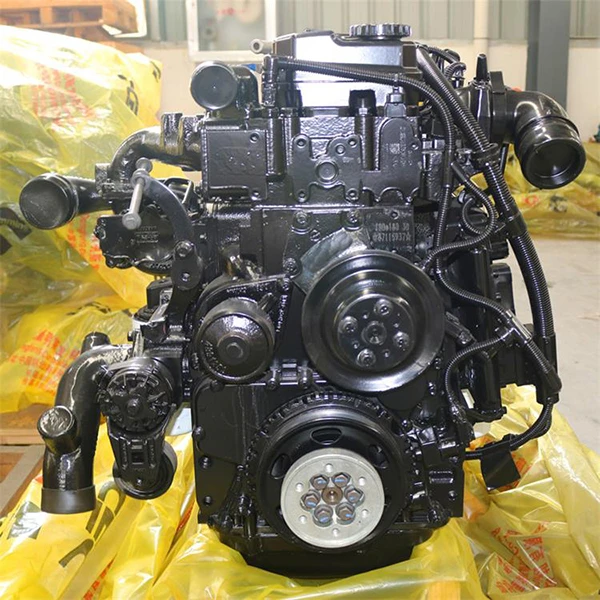
One of the most common and accurate ways to test the performance of a Cummins diesel engine is through dynamometer testing. A dynamometer, or dyno, is a device that measures the power output of an engine. There are two main types of dynamometers: absorption dynamometers and motoring dynamometers.
Absorption dynamometers work by applying a load to the engine while it is running. This load can be in the form of a hydraulic brake, an electric generator, or a magnetic eddy - current brake. As the engine works against the load, the dynamometer measures the torque and speed of the engine. The power output of the engine can then be calculated using the formula: Power (kW)=Torque (N·m)×Speed (rpm)/9549.
Motoring dynamometers, on the other hand, can both apply a load to the engine and drive the engine. This type of dynamometer is useful for testing engine starting characteristics and for conducting tests at low speeds.
During dynamometer testing, the engine should be run through a series of load and speed conditions. Start with a low - load, low - speed test to warm up the engine and ensure all systems are functioning properly. Then, gradually increase the load and speed in a step - by - step manner. Record the power output, torque, fuel consumption, and exhaust gas temperatures at each test point.
Compare the test results with the engine's specifications provided by Cummins. If the power output is significantly lower than the rated power, it could indicate a problem with the engine, such as a faulty fuel injection system, a worn - out turbocharger, or a compression issue.
Fuel Consumption Testing
Fuel consumption is an important performance indicator for a Cummins diesel engine. High fuel consumption not only increases operating costs but can also be a sign of an underlying problem with the engine.
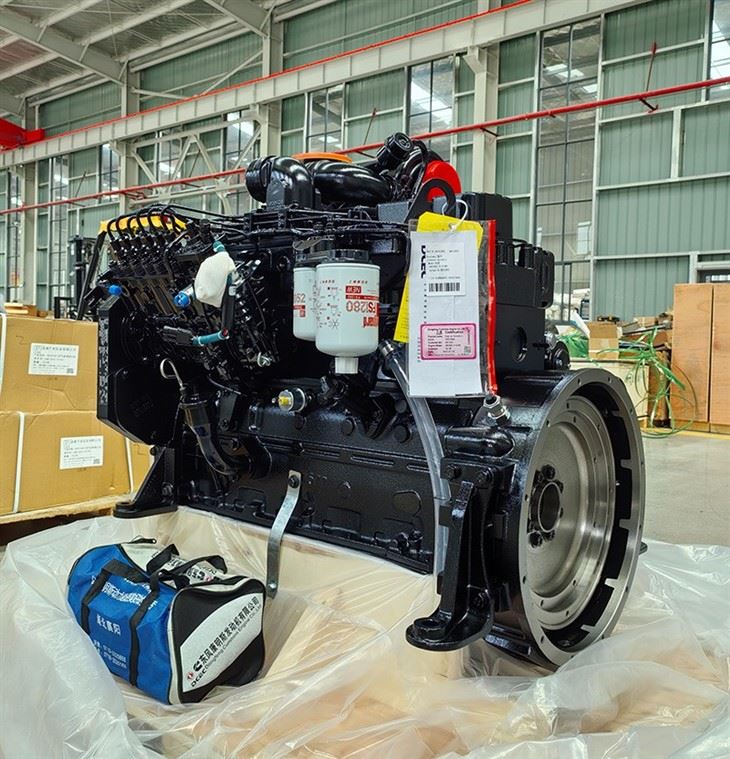
To test fuel consumption, measure the amount of fuel used by the engine over a specific period of time or distance. One way to do this is to use a fuel flow meter. A fuel flow meter can accurately measure the volume or mass of fuel flowing into the engine.
Run the engine at different load and speed conditions and record the fuel consumption at each point. Calculate the specific fuel consumption (SFC), which is the amount of fuel consumed per unit of power output (usually in grams per kilowatt - hour, g/kWh). Compare the SFC values with the engine's specifications. A higher - than - normal SFC could be due to factors such as incorrect fuel injection timing, a dirty air filter, or a malfunctioning turbocharger.
Exhaust Gas Analysis
Exhaust gas analysis is another valuable tool for testing the performance of a Cummins diesel engine. By analyzing the composition of the exhaust gases, we can gain insights into the combustion process and the overall health of the engine.
Common exhaust gas components that are measured include carbon monoxide (CO), carbon dioxide (CO₂), hydrocarbons (HC), nitrogen oxides (NOₓ), and particulate matter (PM). High levels of CO and HC indicate incomplete combustion, which can be caused by problems such as a faulty fuel injection system, a clogged air filter, or incorrect valve timing.
NOₓ emissions are a result of high - temperature combustion in the engine cylinders. Excessive NOₓ emissions can be a sign of problems with the engine's cooling system, fuel injection timing, or turbocharger operation.
Particulate matter is mainly composed of soot and other solid particles. High levels of PM emissions can be due to issues such as worn piston rings, a malfunctioning diesel particulate filter (DPF), or poor fuel quality.
Use an exhaust gas analyzer to measure the concentrations of these components in the exhaust gases. Compare the measured values with the relevant emission standards and the engine's specifications. If the emission levels are outside the acceptable range, further investigation and corrective actions may be required.
Compression Testing
Compression testing is a simple yet effective way to assess the condition of the engine's cylinders and pistons. A compression tester is used to measure the compression pressure in each cylinder.
To perform a compression test, first, remove all the spark plugs or glow plugs from the engine. Then, insert the compression tester into the spark plug or glow plug hole of each cylinder. Crank the engine for a few revolutions using the starter motor and record the compression pressure reading for each cylinder.
Compare the compression pressures of all the cylinders. The compression pressures should be relatively consistent across all cylinders. A significant difference in compression pressure between cylinders could indicate problems such as worn piston rings, a damaged cylinder head gasket, or a bent valve.
Testing Specific Cummins Engines
Let's take a look at some specific Cummins engines and how the above - mentioned tests can be applied.
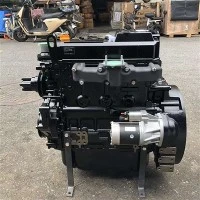
The 150HP 6BTAA5.9 Cummins Construction Machinery Engine is widely used in construction machinery. Due to the heavy - duty nature of its applications, it is essential to conduct regular performance tests. Dynamometer testing can accurately measure its power output under different load conditions, which is crucial for ensuring that it can handle the demanding tasks in construction sites. Fuel consumption testing helps to optimize its fuel efficiency, reducing operating costs for construction companies.
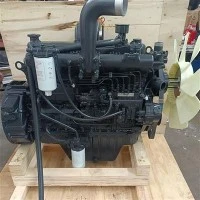
The Cummins ISDe Series Diesel Engine is known for its advanced technology and high - performance features. Exhaust gas analysis is particularly important for this series of engines to ensure that they meet the strict emission standards. Compression testing can help detect any early signs of wear and tear in the cylinders, allowing for timely maintenance.
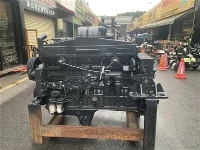
The New Cummins 6BTAA5.9 - C180 Engine offers enhanced power and performance. During testing, special attention should be paid to its turbocharger performance, as the turbocharger plays a crucial role in increasing the engine's power output. Dynamometer testing at different boost levels can help evaluate the turbocharger's efficiency.
Conclusion
Testing the performance of a Cummins diesel engine is a comprehensive process that involves multiple aspects. By conducting pre - test inspections, dynamometer testing, fuel consumption testing, exhaust gas analysis, and compression testing, we can accurately assess the engine's performance and identify any potential problems.
As a Cummins diesel engine supplier, we are committed to providing high - quality engines and ensuring that they perform at their best. If you are interested in purchasing Cummins diesel engines or need more information about engine testing and performance, please feel free to contact us for further discussion and procurement negotiation.
References
- Cummins Engine Technical Manuals
- Diesel Engine Performance Testing Standards and Guidelines