Hey there! As a supplier of Isuzu diesel engines, I often get asked about different components of these engines. One question that pops up quite a bit is, "What is the radiator of an Isuzu diesel engine?" Well, let's dive right in and break it down.
What's a Radiator Anyway?
First things first, a radiator is like the engine's cooling system's heart. You know how we humans need to cool down when we're working hard? The same goes for an Isuzu diesel engine. When the engine is running, it generates a ton of heat. If this heat isn't managed properly, it can cause all sorts of problems, like engine overheating, which can lead to serious damage.


The radiator's main job is to transfer the heat from the engine coolant to the surrounding air. It's a heat exchanger, basically. The coolant absorbs the heat from the engine and then flows into the radiator. Inside the radiator, the coolant passes through a series of small tubes. These tubes are surrounded by thin metal fins, which increase the surface area exposed to the air. As air flows over the fins and tubes, it takes away the heat from the coolant, cooling it down. Then, the cooled coolant flows back into the engine to absorb more heat, and the cycle continues.
Why is the Radiator Important for Isuzu Diesel Engines?
Isuzu diesel engines are known for their durability and performance. They're used in a wide range of applications, from excavators to construction machinery. These engines work hard, and they generate a lot of heat. That's where the radiator comes in.
A properly functioning radiator ensures that the engine operates at the right temperature. If the engine gets too hot, it can cause the metal parts to expand, which can lead to increased wear and tear. It can also cause the engine oil to break down, reducing its lubricating properties. On the other hand, if the engine runs too cold, it can lead to incomplete combustion, which can result in reduced fuel efficiency and increased emissions.
So, you can see that the radiator plays a crucial role in keeping the Isuzu diesel engine running smoothly and efficiently.
How Does the Radiator Work in an Isuzu Diesel Engine?
Let's take a closer look at how the radiator fits into the overall cooling system of an Isuzu diesel engine.
The cooling system starts with the water pump. The water pump circulates the coolant through the engine block and cylinder head, where it absorbs the heat generated by the combustion process. The hot coolant then flows into the radiator through the upper radiator hose.
Once inside the radiator, the coolant passes through the tubes and fins, as I mentioned earlier. The radiator fan, either mechanical or electric, helps to draw air through the radiator, increasing the cooling efficiency. As the air cools the coolant, it becomes cooler and denser. The cooled coolant then flows out of the radiator through the lower radiator hose and back into the engine to start the cycle again.
In some Isuzu diesel engines, there's also a thermostat. The thermostat regulates the flow of coolant through the radiator. When the engine is cold, the thermostat remains closed, preventing the coolant from flowing into the radiator. This allows the engine to warm up quickly. Once the engine reaches the optimal operating temperature, the thermostat opens, allowing the coolant to flow into the radiator and be cooled.
Types of Radiators for Isuzu Diesel Engines
There are a few different types of radiators that can be used in Isuzu diesel engines.
- Crossflow Radiators: These are the most common type of radiators. In a crossflow radiator, the coolant flows horizontally from one side of the radiator to the other. The inlet and outlet tanks are located on the sides of the radiator. Crossflow radiators are known for their efficient cooling performance and compact design.
- Downflow Radiators: In a downflow radiator, the coolant flows vertically from the top of the radiator to the bottom. The inlet tank is located at the top, and the outlet tank is at the bottom. Downflow radiators were more common in older vehicles, but they're still used in some applications.
- Aluminum Radiators: Aluminum radiators are lightweight and have excellent heat transfer properties. They're also more corrosion-resistant than traditional copper or brass radiators. Many modern Isuzu diesel engines use aluminum radiators to improve fuel efficiency and reduce weight.
Maintaining the Radiator in an Isuzu Diesel Engine
To ensure that the radiator in your Isuzu diesel engine works properly, it's important to perform regular maintenance.
- Check the Coolant Level: You should check the coolant level in the radiator regularly. If the coolant level is low, it could indicate a leak in the cooling system. Add coolant as needed, but make sure to use the type of coolant recommended by Isuzu.
- Inspect the Radiator for Damage: Look for any signs of damage to the radiator, such as leaks, cracks, or bent fins. If you notice any damage, it's important to have it repaired or replaced as soon as possible.
- Clean the Radiator: Over time, dirt, debris, and bugs can accumulate on the radiator fins, reducing the cooling efficiency. You can use a soft brush or compressed air to clean the radiator fins. Be careful not to damage the fins while cleaning.
- Flush the Cooling System: It's a good idea to flush the cooling system every few years to remove any rust, scale, or other contaminants that may have built up. Follow the manufacturer's instructions for flushing the cooling system.
Isuzu Diesel Engine Models and Their Radiators
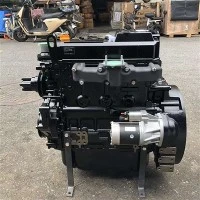
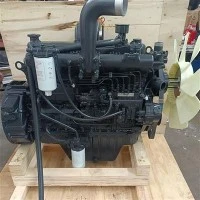
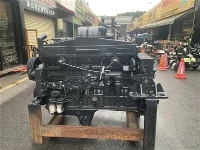
Isuzu offers a variety of diesel engine models, each with its own specific radiator requirements. For example, the Isuzu 4BG1 Excavator Engine and the 4BG1 Construction Machinery Engine are popular models used in heavy equipment. These engines require radiators that can handle the high heat loads generated by their operation.
The 4BG1 Excavator Engine is known for its power and reliability. It's designed to work in tough conditions, and its radiator needs to be up to the task. A well-designed radiator for this engine will ensure that it stays cool even under heavy loads.
Contact Us for Your Isuzu Diesel Engine Radiator Needs
If you're in the market for a radiator for your Isuzu diesel engine, or if you have any questions about our Isuzu diesel engines or their components, we're here to help. We're a trusted supplier of Isuzu diesel engines and parts, and we have a wide range of radiators to suit different Isuzu engine models.
Whether you need a replacement radiator or you're looking to upgrade your existing cooling system, we can provide you with the right solution. Our team of experts can help you choose the best radiator for your specific application and ensure that it's installed correctly.
So, don't hesitate to get in touch with us. We're ready to assist you with all your Isuzu diesel engine radiator needs.
References
- "Isuzu Diesel Engine Manuals"
- "Automotive Cooling System Basics" by various automotive engineering textbooks