Hey there! As a supplier of diesel engines, I've been getting a lot of questions lately about intercoolers. So, I thought I'd take a few minutes to talk about what an intercooler does in a diesel engine and why it's so important.
First off, let's talk about what a diesel engine does. A diesel engine works by compressing air in the cylinders, which heats up the air. Then, fuel is injected into the hot air, and it ignites, creating power. The more air you can get into the cylinders, the more fuel you can burn, and the more power the engine can produce.
That's where the turbocharger comes in. A turbocharger is a device that uses the exhaust gases from the engine to spin a turbine, which in turn spins a compressor. The compressor takes in air from the outside and compresses it, forcing more air into the cylinders. This allows the engine to burn more fuel and produce more power.


But there's a problem. When you compress air, it heats up. And hot air is less dense than cold air, which means there's less oxygen in it. So, even though the turbocharger is forcing more air into the cylinders, it's not as effective as it could be if the air was cooler.
That's where the intercooler comes in. An intercooler is a device that cools the compressed air from the turbocharger before it enters the cylinders. It does this by passing the hot air through a series of tubes or fins that are cooled by air or water. As the hot air passes through the intercooler, it transfers heat to the cooler air or water, and the temperature of the air drops.
So, why is this so important? Well, there are a few reasons. First of all, cooler air is denser than hot air, which means there's more oxygen in it. This allows the engine to burn more fuel more efficiently, which results in more power. Second, cooler air is less likely to cause detonation, which is a phenomenon where the fuel ignites prematurely in the cylinders. Detonation can cause engine damage and reduce performance, so it's important to keep the air temperature down. Finally, cooler air is less likely to cause the engine to overheat, which can also cause damage and reduce performance.
Now, let's talk about the different types of intercoolers. There are two main types of intercoolers: air-to-air and air-to-water. Air-to-air intercoolers are the most common type. They work by passing the hot air from the turbocharger through a series of tubes or fins that are cooled by air from the outside. Air-to-water intercoolers, on the other hand, work by passing the hot air through a series of tubes or fins that are cooled by water. Water is a better coolant than air, so air-to-water intercoolers are generally more efficient. However, they are also more complex and expensive.
So, how do you choose the right intercooler for your diesel engine? Well, there are a few things to consider. First of all, you need to consider the size of your engine and the amount of boost pressure it produces. A larger engine or one that produces more boost pressure will require a larger intercooler. Second, you need to consider the type of driving you do. If you do a lot of high-performance driving, you may want to consider an air-to-water intercooler. Finally, you need to consider your budget. Air-to-air intercoolers are generally less expensive than air-to-water intercoolers, so they may be a better choice if you're on a tight budget.
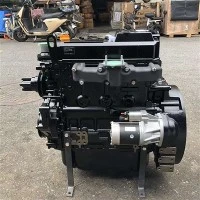
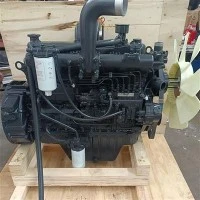
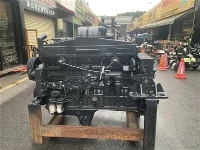
At our company, we offer a wide range of diesel engines and intercoolers to suit your needs. Whether you're looking for a Original 6 Cylinder Truck Engine WP10.375E53 Diesel Engine Weichai Engine, a Deutz TCD2012L042V 4 Cylinder Diesel Motor, or a Weichai WP12.460E50 6-Cylinder Diesel Engine For Trucks, we've got you covered.
If you're interested in learning more about our products or have any questions about intercoolers or diesel engines, please don't hesitate to contact us. We'd be happy to help you find the right solution for your needs.
In conclusion, the intercooler plays a crucial role in a diesel engine. It cools the compressed air from the turbocharger, which allows the engine to burn more fuel more efficiently, produce more power, and reduce the risk of detonation and overheating. When choosing an intercooler, it's important to consider the size of your engine, the amount of boost pressure it produces, the type of driving you do, and your budget. At our company, we offer a wide range of diesel engines and intercoolers to suit your needs, so don't hesitate to contact us if you have any questions or need help finding the right solution.
References:
- Heywood, J. B. (1988). Internal combustion engine fundamentals. McGraw-Hill.
- Stone, R. (1999). Introduction to internal combustion engines. Butterworth-Heinemann.