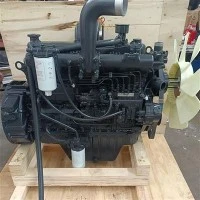
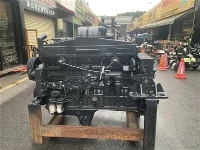
Hey there! As a supplier of Volvo diesel engines, I've been getting a lot of questions lately about the valve - timing mechanism in these engines. So, I thought I'd take the time to break it down and explain what it is and why it's so important.
First off, let's talk about what the valve - timing mechanism actually does. In a nutshell, it controls when the intake and exhaust valves in the engine open and close. This might not seem like a big deal, but it's super crucial for how the engine performs. The intake valve lets the air - fuel mixture into the combustion chamber, and the exhaust valve lets the burned gases out. If these valves don't open and close at the right times, the engine won't run efficiently, or it might not run at all.
In a Volvo diesel engine, the valve - timing mechanism is designed to be as precise as possible. These engines are known for their reliability and power, and the valve - timing plays a big part in that. Volvo uses different types of valve - timing systems depending on the engine model. Some of their engines use a camshaft - based system, while others have more advanced variable valve - timing (VVT) systems.
Let's start with the camshaft - based system. A camshaft is a long shaft with a series of cams on it. As the camshaft rotates, the cams push against the valves, opening and closing them. The shape and position of the cams determine when the valves open and for how long. In a Volvo engine with a camshaft - based valve - timing mechanism, the camshaft is driven by the crankshaft through a timing belt or chain. This ensures that the valves open and close in sync with the movement of the pistons.
For example, in the Volvo D5D Construction Machinery Engine, the camshaft - based valve - timing is carefully calibrated to provide the right balance of power and fuel efficiency. This engine is used in a variety of construction machinery, and it needs to be able to handle heavy loads while still using fuel efficiently. The valve - timing helps achieve this by making sure that the right amount of air - fuel mixture is entering the combustion chamber at the right time.
Now, let's move on to variable valve - timing (VVT) systems. These are more advanced and allow for even greater control over the valve opening and closing times. With VVT, the engine can adjust the valve - timing based on different driving conditions, such as engine speed, load, and temperature. This means that the engine can optimize its performance in a wide range of situations.
In the Volvo Diesel Engine D4D, the VVT system is a key feature. At low speeds, the system can adjust the valve - timing to improve torque and fuel economy. When the engine is running at high speeds, it can change the valve - timing to increase power output. This gives the engine greater flexibility and makes it more suitable for different types of vehicles and applications.
Another great example is the Volvo EC290B Excavator D7D Engine. Excavators need to be able to handle different types of digging tasks, from light - duty to heavy - duty. The VVT system in this engine allows it to adapt to these different tasks by adjusting the valve - timing accordingly. This ensures that the engine can provide the right amount of power and efficiency for each job.
The Volvo D6D Excavator Engine also benefits from an advanced valve - timing mechanism. In an excavator, the engine needs to be responsive and powerful. The valve - timing system helps achieve this by precisely controlling the intake and exhaust processes. This results in better combustion, which means more power and less emissions.
And of course, the Volvo D5D Diesel Engine has its own unique valve - timing setup. It's designed to provide a good balance of performance and fuel economy, which is important for many diesel - powered applications. The valve - timing helps optimize the combustion process, leading to better overall engine performance.
One of the advantages of Volvo's valve - timing systems is their durability. Volvo uses high - quality materials and advanced manufacturing techniques to ensure that the valve - timing components can withstand the rigors of daily use. This means less maintenance and a longer lifespan for the engine.
So, why is the valve - timing mechanism so important for you as a customer? Well, if you're using a Volvo diesel engine in your vehicle or equipment, a properly functioning valve - timing system means better performance, more power, and improved fuel efficiency. This can save you money in the long run, as you'll be using less fuel and having fewer breakdowns.
If you're in the market for a Volvo diesel engine, or if you need parts or maintenance for your existing engine, I'm here to help. Whether you're looking for a powerful engine for your construction equipment or a fuel - efficient one for your commercial vehicle, I can provide you with the right solutions. Don't hesitate to reach out and start a conversation about your specific needs. We can work together to find the perfect Volvo diesel engine for your application.
In conclusion, the valve - timing mechanism in a Volvo diesel engine is a complex but essential part of the engine's operation. It plays a crucial role in determining the engine's performance, fuel efficiency, and durability. Whether it's a traditional camshaft - based system or an advanced VVT system, Volvo has designed these mechanisms to provide the best possible results.
If you have any more questions about Volvo diesel engines or the valve - timing mechanism, feel free to drop me a line. I'd be more than happy to help you out and get you on your way to using a top - notch Volvo diesel engine.


References
- Automotive Engineering textbooks
- Volvo Diesel Engine service manuals