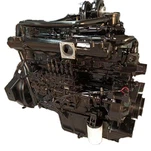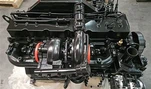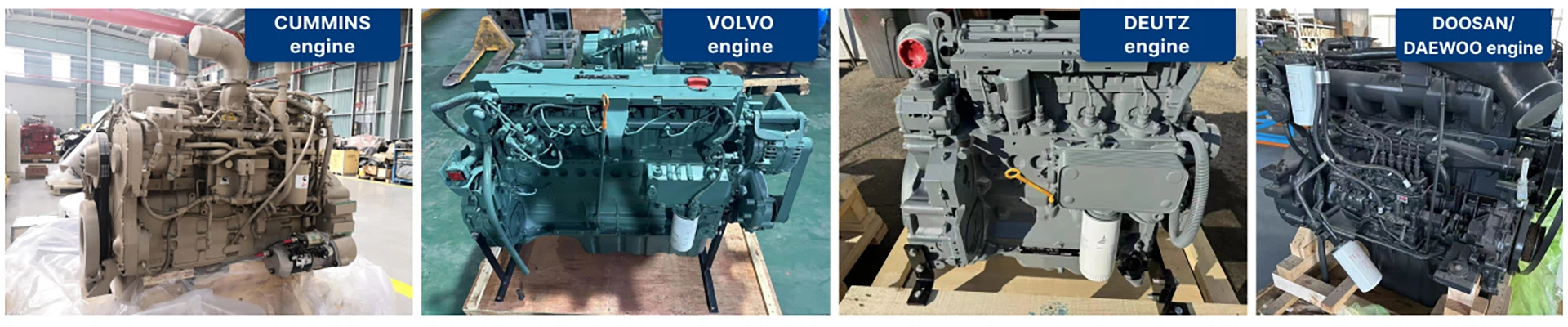
As a highly reliable powertrain, the Cummins QSB series engines (such as the QSB6.7-C130 and QSB6.7-C190) require a 3000-hour maintenance period, a crucial period for ensuring long-term stable operation. At this point, the engine has completed its mid-term, high-intensity operation, and core components enter the "Performance Verification and Life Extension" phase. Systematic inspection, replacement, and commissioning are required to prevent potential failures from escalating and maintain power output efficiency and environmental performance.
I. Core Power Components: Inspecting Wear and Replacing Key Consumables
1. Fuel System: Deep Cleaning and Component Performance Verification
Use Cummins INSITE diagnostic software to read common rail pressure fluctuation data. Under normal operating conditions, pressure deviation should be ≤5%. If the deviation exceeds 10%, disassembly and inspection of the injector needle valves is necessary.
Completely replace the fuel fine filter (water separator) and primary filter, and clean the fuel tank (focusing on removing impurities and water deposited at the bottom of the tank. Use high-pressure air with a special cleaning agent to prevent residual impurities from clogging the injectors).
2. Lubrication System: Complete oil and filter replacement + oil line cleaning
Drain the old oil and replace the Cummins-specific extended-life oil filter and oil.
Disassemble the oil cooler core and flush it with a 5% citric acid solution.
3. Intake and Exhaust Systems: Restoring Filtration Efficiency and Inspecting Component Integrity
Replace the three-stage air filter and inspect the intake manifold flange for tightness. If the flange surface is deformed, perform surface grinding.
II. Auxiliary Systems: Performance Tuning and Troubleshooting
Cooling System: Leak Prevention and Optimizing Heat Dissipation Efficiency
Drain the old coolant and replace the coolant filter. High-pressure clean the radiator core and inspect it for corrosion holes. If leaks are detected, repair them with soldering or replace the radiator assembly.
Check the water pump bearing clearance and fan belt tension. Also, inspect the belt surface for cracks. If the crack depth exceeds 1/3 of the belt thickness, replace the entire belt.
III. Safety and Compliance: Performance Verification and Record Archiving
1. Overall Engine Performance Testing: Dual Verification of Power and Emissions
Test the engine's rated power and torque on a dynamometer.
Use an exhaust gas analyzer to monitor NOx and PM emissions. If emissions exceed the standard, check the urea injection rate of the SCR system or the effectiveness of DPF regeneration. Replace the SCR if necessary. Catalyst.
2. Safety Component Inspection and Maintenance Records
Trigger engine overspeed protection, low oil pressure protection (shutdown when oil pressure ≤ 0.15 bar), and high water temperature protection (power reduction when water temperature ≥ 108°C). Ensure protection function response time is ≤ 1 second to avoid engine damage due to protection failure.