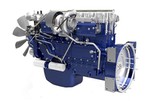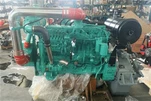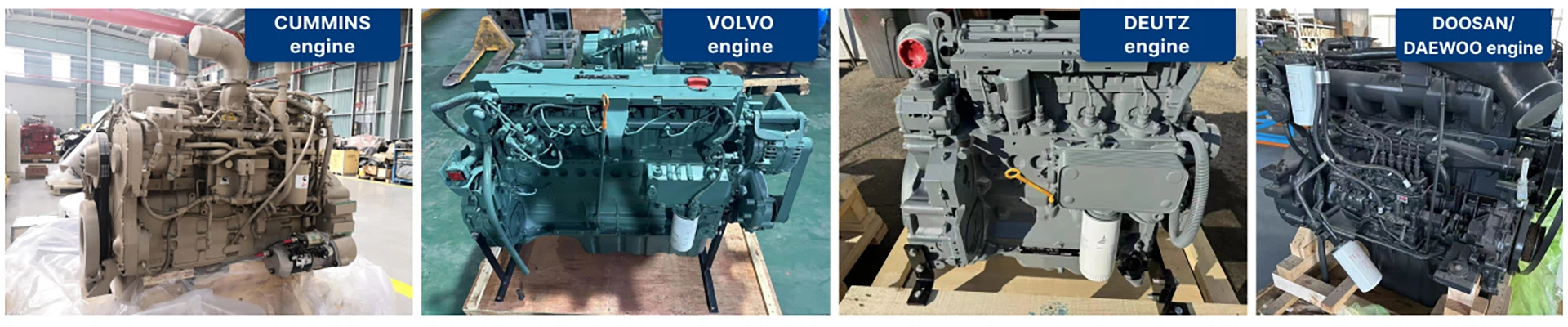
1. Powertrain Selection from a Total Life Cycle Cost (TCO) Perspective
When selecting engines or replacement parts for construction machinery, the initial purchase price should not be the sole consideration; the total life cycle cost should be taken into account. TCO primarily includes the initial purchase cost, fuel consumption, maintenance costs, and residual value.
Fuel Economy: Modern electronically controlled high-pressure common rail engines (such as the latest generation technologies from Weichai and Cummins) typically save 5%-10% more fuel than traditional mechanical pump engines through precise fuel injection.
Longer Oil Change Intervals: Currently, mainstream engine manufacturers are implementing "longer maintenance" strategies. For example, the oil filter systems of some mining-specific engines have been optimized, extending maintenance intervals to 500 to 1000 hours, significantly reducing downtime.
2. Understanding the Logic of "Remanufacturing" and "Replacement Parts"
For equipment maintenance in the existing market, there is a dilemma: original equipment manufacturer (OEM) parts are expensive, while aftermarket parts vary in quality.
OEM Quality Remanufacturing: This is a mature option. Remanufactured engines utilize large-scale, standardized processes to restore parts dimensions, achieving performance close to new products but at only 60%-70% of the price, making them particularly suitable for repairing older equipment.
Branded and Original Parts: Parts produced by Tier 1 suppliers (such as Weifu and Bohai Piston) that supply OEMs like Weichai and Yuchai are highly cost-effective alternatives. Specialized suppliers like Pingbo Power focus on providing these "purebred" but non-original packaging parts, a powerful tool for reducing maintenance costs.
3. Industry Trends: Low-Carbon Power and Hybrid Power
With the advancement of global "dual-carbon" goals, construction machinery power is undergoing profound changes:
Diverse Fuel Routes: In addition to traditional diesel and natural gas, methanol engines are becoming a new growth point. In 2025, China's first methanol-fueled mining excavator was put into operation in a mining area, demonstrating significant advantages in carbon emissions and fuel costs.
Hybrid Power Technology: For mining and heavy-duty scenarios, a deep hybrid architecture of "engine + motor + battery" is becoming increasingly common. Data shows that excavators or wide-body vehicles equipped with hybrid systems can improve fuel economy by 10%-30%, which not only reduces costs but also meets stringent emission regulations.
4. Procurement Recommendations
When selecting suppliers, it is recommended that buyers focus on the following points:
Inventory Visibility: Choosing suppliers like PinboPower, which have physical warehouses and transparent inventory data, can effectively mitigate supply chain risks.
Technical Integration Capabilities: Construction machinery electronic control systems are complex. Whether a supplier has the ability to decode and rewrite ECUs (vehicle computers) or provide remote technical support is a core indicator of its service level.
Conclusion: Whether choosing a brand-new, energy-efficient engine or using high-quality parts for maintenance, understanding the technical details of the powertrain will help your equipment run faster and farther in the competition.
Note: The above content has been SEO optimized for publication in the "News" and "Blog" sections of pinbopower.com, and incorporates information found about Jining Pinbo's business scope and industry technical background.