

In the European inland waterway sector, selecting a marine diesel engine is crucial, not only because it must meet increasingly stringent environmental standards but also because it requires a balance of performance, efficiency, and reliability.
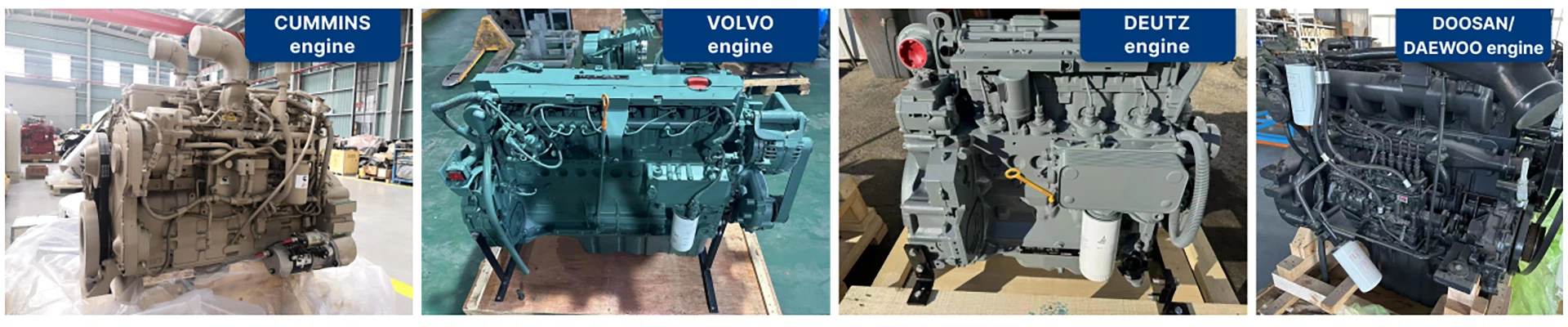
The Cummins X15 Stage V: Designed and rigorously tested specifically for the needs of European inland waterway shipping, this engine fully complies with the latest Stage-V emission standards, delivering optimal performance and efficiency. Its integrated engine and aftertreatment system, developed in-house by Cummins, is specifically suited for critical applications in European inland waterway shipping. Its turbocharging technology, featuring the award-winning VGT™ turbocharger, sets the industry standard for reliability and durability, ensuring long-term, trouble-free operation.
The Volvo Penta D8 MG engine is a constant-speed, six-cylinder, 7.7-liter inline diesel engine with common rail fuel injection, overhead camshafts, and a dual-inlet turbocharger. Designed to handle high backpressure and high-sulfur fuel (1000 ppm), this engine ensures excellent operating economy and world-class diesel performance, while also achieving low emissions and low noise levels. Its SCR (Selective Catalytic Reduction) exhaust aftertreatment system is meticulously designed to perfectly match the engine.
DEUTZ's TCD 2015 V8 engine is specifically designed for inland waterway applications and complies with Stage V emissions standards. Its high power density and low fuel consumption make it suitable for a wide range of inland waterway vessels. Its advanced combustion technology and aftertreatment system effectively reduce emissions. The TCD 2015 V8 engine's compact design facilitates installation in space-constrained ship engine rooms. The engine is also relatively easy to maintain, reducing operating costs.
Selection Recommendations and Considerations
When selecting a diesel engine for European inland waterway vessels, shipowners and operators should consider the following factors:
Performance and Efficiency: Select an engine that provides sufficient power output and high fuel efficiency based on the vessel's operational needs. This not only reduces operating costs but also minimizes environmental impact. For example, some engines excel at low-speed torque output, making them suitable for the frequent start-stop operations of inland waterways.
Reliability and Maintenance: Engine reliability directly impacts a vessel's operational efficiency. Choose an engine brand with a good reputation and reliable design, and consider its ease and cost of maintenance. An extensive service network ensures timely access to professional repair and maintenance services when needed.
Installation Space and Compatibility: Considering the space constraints of the ship's engine room, select an engine that is easy to install and compatible with existing ship systems. Flexible installation options and a compact design facilitate both retrofits and newbuildings.
Cost-Effectiveness: In addition to the engine's purchase cost, long-term operating costs, including fuel consumption, maintenance costs, and potential repair costs, should also be considered. A comprehensive evaluation of the total cost of different engines should be conducted to select the most cost-effective solution.
Selecting a diesel engine for European inland waterway shipping is a complex and important decision-making process. By comprehensively considering factors such as performance, reliability, environmental requirements, and cost, shipowners and operators can select the engine that best suits their inland waterway business needs, achieving efficient, environmentally friendly, and sustainable operations.


