

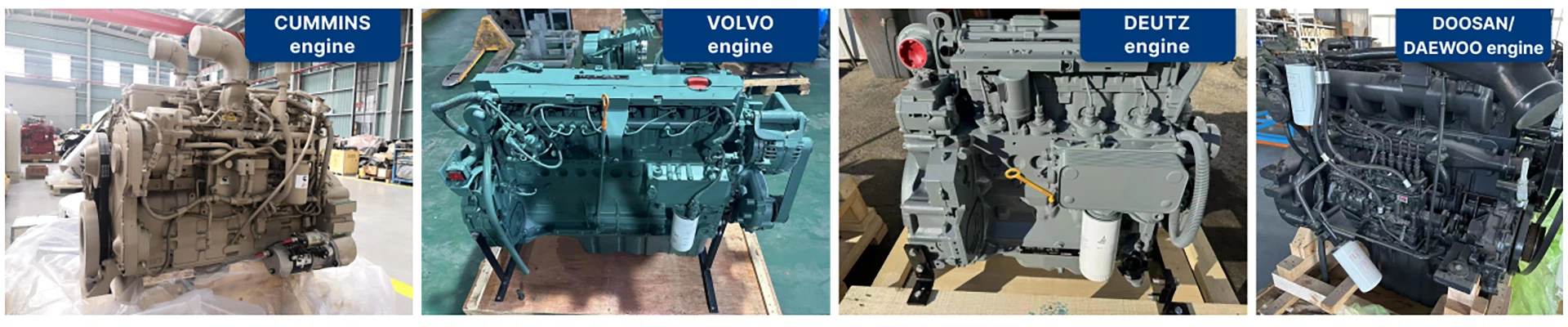
Among all kinds of filters, the filter element is the core component to achieve the filtering function. It is like the "respiratory system guard" of the equipment. It separates impurities and pollutants in the fluid (gas or liquid) through physical interception, adsorption and other methods to ensure that the medium entering the downstream system meets the cleanliness standard, thereby protecting the safe and stable operation of the equipment.
Our product display

The core function of the filter element is accurate filtration. Whether it is the air filter element in the air filter, or the corresponding filter element in the oil filter and fuel filter, it is necessary to select the appropriate filtration accuracy according to the filtering requirements. For example, the air filter element needs to filter dust, sand and other particles in the air to prevent them from entering the engine cylinder and causing wear; the oil filter element needs to intercept impurities such as sludge and metal debris generated in the oil circulation to prevent key engine components from being damaged due to poor lubrication.
From a structural point of view, the filter element is usually composed of a filter material layer, a support frame and a seal. The filter material is the "heart" of the filter element. Common materials include filter paper, non-woven fabrics, metal mesh, activated carbon, etc. Different materials have different filtering performances: filter paper and non-woven fabrics are suitable for intercepting solid particles, while activated carbon is good at absorbing odors, organic pollutants, etc.; the support frame plays the role of fixing the filter material to ensure that the filter element does not deform under fluid pressure; the seal ensures that all fluids are filtered through the filter material to prevent the unfiltered medium from flowing directly.


Depending on the application scenario, the filter element can be divided into many types. In addition to the common air filter element, there are also oil filter elements, fuel filter elements, hydraulic oil filter elements, water filter elements, etc. Each filter element is designed for specific media and filtering requirements. For example, the fuel filter element needs to have the characteristics of fuel corrosion resistance and high filtering efficiency to protect the fuel injection system; the hydraulic oil filter element has extremely high filtering accuracy requirements to avoid the failure of hydraulic components due to impurity clogging.
During use, the maintenance and replacement of the filter element is very important. As the filtering time increases, the filter material will gradually be clogged by impurities, resulting in a decrease in filtering efficiency and an increase in resistance, affecting the normal operation of the equipment. Therefore, it is necessary to regularly check the status of the filter element according to the requirements of the equipment manual. When abnormal pressure, reduced flow, etc. occur, the filter element should be replaced in time to ensure that the filter always plays an effective filtering role and extend the service life of the equipment.


