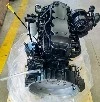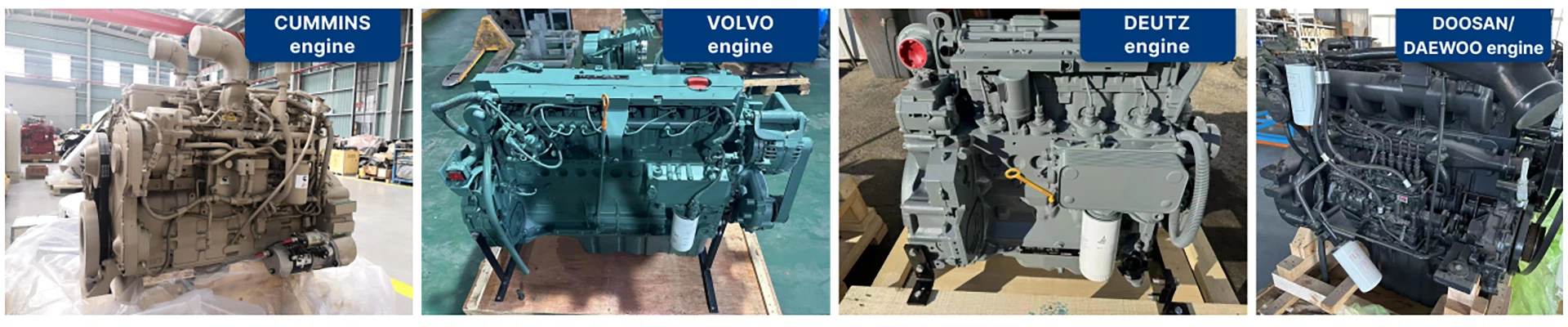
This month, the crane boom at the factory slowly lowered, and the last crate, weighing nearly a ton, of Cummins QSL9 280hp diesel engine assemblies was securely placed into a fumigated wooden crate specifically designed for export. Along with the crate, a complete set of factory inspection reports, import customs clearance commercial invoices, and packing lists were also sealed. With a sharp, tightening sound from the conveyor belt machine, this "power heart" specifically matched to heavy-duty loaders officially began its international journey to Poland.
Actually, the process of this order, from initial contact to final sealing, was quite interesting.
The client is a local Polish repair shop specializing in construction machinery rental and equipment reconfiguration. When the client initially contacted us online, their needs were very clear: their 7-ton heavy-duty wheel loader was experiencing severe engine seizure during mining operations, resulting in prohibitively high repair costs. They urgently needed a readily available Cummins QSL9-C280 (280 hp / approximately 209 kW) diesel engine for complete replacement.
Those familiar with loaders know that the QSL9 is widely used in heavy earthmoving equipment. With its 9-liter displacement, high-pressure common rail system, and high torque at low speeds, it's truly adept at heavy work. However, the biggest fear with replacing construction machinery is that "the goods arrive, but they can't be installed."


To ensure everything went smoothly, we checked the technical details with the Polish engineers at least three times before packing. The QSL9 used in loaders differs significantly from those used in generator sets or excavators in terms of front-end accessories. We focused on verifying the SAE specifications of the flywheel housing, the connection dimensions of the flywheel disc, and the number of grooves on the front crankshaft pulley. After all, the Polish customer needed to power the loader's high-pressure hydraulic main pump and powerful fan. Even a difference of just a few millimeters in the pulley offset distance would cause the belt to wear out or even fly off upon return.
The factory's technicians precisely adapted the engine's front pulley system and mounting feet to the original vehicle nameplate and driveshaft interface provided by the Polish customer before shipment. The entire machine ran continuously for two hours on a cold and hot test bench, and the oil pressure, water temperature, and injection response of each cylinder all met the standards, ensuring "seamless replacement and immediate use" upon arrival for the customer.
Considering the variable and humid climate of sea and land transport in Northern and Eastern Europe during this season, rust prevention for machinery is paramount. When packing this QSL9, we first sprayed the entire machine with heavy-duty anti-rust oil, then sealed it completely in two layers of thick industrial-grade vacuum-sealed plastic bags filled with large bags of desiccant, and finally secured it in a reinforced export-grade vacuum wooden crate. Even after a long sea voyage of about a month and local road transport in Europe, the QSL9 engine arrived at the customer's door completely dry and rust-free.
This box of QSL9 engines will be picked up by truck this evening and transported to the port. We hope it will reach our Polish customer's workshop as quickly as possible, helping their loaders get back to work and continue creating value in mines and construction sites!