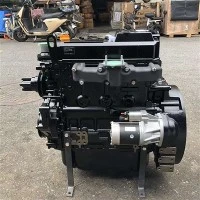
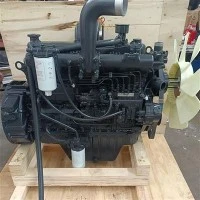
The exhaust manifold is a crucial component in a diesel engine, playing a vital role in the overall performance and efficiency of the engine. As a leading diesel engine supplier, we understand the importance of this part and are here to explain how it works in a diesel engine.
The Basics of a Diesel Engine
Before delving into the workings of the exhaust manifold, it's essential to have a basic understanding of how a diesel engine operates. A diesel engine is an internal combustion engine that uses compression ignition to burn fuel. Unlike gasoline engines, which use a spark plug to ignite the air-fuel mixture, diesel engines compress the air in the cylinders until it reaches a high temperature. Then, fuel is injected into the hot, compressed air, causing it to ignite spontaneously.
The four-stroke cycle is the most common operating cycle in diesel engines. It consists of four stages: intake, compression, power, and exhaust. During the intake stroke, the piston moves downward, drawing fresh air into the cylinder. In the compression stroke, the piston moves upward, compressing the air to a high pressure and temperature. The power stroke occurs when fuel is injected into the compressed air, igniting it and forcing the piston downward. Finally, during the exhaust stroke, the piston moves upward again, pushing the exhaust gases out of the cylinder.
The Role of the Exhaust Manifold
The exhaust manifold is responsible for collecting the exhaust gases from each cylinder of the engine and directing them to the exhaust system. It is typically made of cast iron or stainless steel and is designed to withstand high temperatures and pressures. The exhaust manifold is connected to the engine's cylinder head and has a series of pipes or runners that lead to a common collector.
One of the primary functions of the exhaust manifold is to ensure that the exhaust gases flow smoothly and efficiently out of the engine. By collecting the gases from each cylinder and combining them in the collector, the exhaust manifold helps to reduce backpressure. Backpressure is the resistance that the exhaust gases encounter as they flow through the exhaust system. High backpressure can reduce engine performance, increase fuel consumption, and cause the engine to run hotter.
Another important role of the exhaust manifold is to isolate the exhaust gases from the rest of the engine. The exhaust gases contain harmful pollutants, such as carbon monoxide, nitrogen oxides, and particulate matter. By keeping these gases away from the engine's intake system and other components, the exhaust manifold helps to protect the engine and ensure its longevity.
How the Exhaust Manifold Works
The operation of the exhaust manifold is closely tied to the four-stroke cycle of the diesel engine. During the exhaust stroke, the exhaust valve opens, allowing the high-pressure exhaust gases to flow out of the cylinder and into the exhaust manifold. The exhaust gases then travel through the runners of the exhaust manifold and into the collector.


The design of the exhaust manifold is critical to its performance. The runners are typically sized and shaped to optimize the flow of exhaust gases. They are designed to minimize turbulence and pressure drops, which can reduce the efficiency of the exhaust system. The collector is also designed to collect the exhaust gases from the runners and direct them to the exhaust pipe.
In some diesel engines, the exhaust manifold may be equipped with a turbocharger. A turbocharger is a device that uses the energy of the exhaust gases to compress the intake air, increasing the engine's power output. The exhaust gases from the engine are directed to the turbocharger, where they spin a turbine. The turbine is connected to a compressor, which compresses the intake air and delivers it to the engine's cylinders.
Types of Exhaust Manifolds
There are several types of exhaust manifolds available for diesel engines, each with its own advantages and disadvantages. The most common types include:
- Log-style exhaust manifolds: These are the simplest and most common type of exhaust manifold. They consist of a single pipe or a series of pipes that collect the exhaust gases from the cylinders and direct them to a common collector. Log-style exhaust manifolds are relatively inexpensive and easy to manufacture, but they may not provide the best performance.
- Header-style exhaust manifolds: Header-style exhaust manifolds are designed to improve the flow of exhaust gases by using individual tubes for each cylinder. Each tube is carefully tuned to optimize the scavenging effect, which helps to remove the exhaust gases from the cylinder more efficiently. Header-style exhaust manifolds are more expensive and complex to manufacture than log-style exhaust manifolds, but they can provide significant performance gains.
- Equal-length exhaust manifolds: Equal-length exhaust manifolds are a type of header-style exhaust manifold that uses tubes of equal length for each cylinder. This design helps to ensure that the exhaust gases from each cylinder reach the collector at the same time, which can improve the scavenging effect and reduce backpressure. Equal-length exhaust manifolds are typically used in high-performance diesel engines.
Maintenance and Troubleshooting
Like any other component in a diesel engine, the exhaust manifold requires regular maintenance to ensure its proper functioning. Here are some tips for maintaining your exhaust manifold:
- Inspect the exhaust manifold regularly: Check for any signs of damage, such as cracks, leaks, or corrosion. If you notice any problems, have the exhaust manifold repaired or replaced as soon as possible.
- Clean the exhaust manifold: Over time, carbon deposits and other contaminants can build up on the inside of the exhaust manifold, reducing its efficiency. You can clean the exhaust manifold using a specialized cleaner or by having it professionally cleaned.
- Check the exhaust system for leaks: A leak in the exhaust system can cause a decrease in engine performance and increase the risk of carbon monoxide poisoning. Check the exhaust system for leaks regularly and have any leaks repaired immediately.
If you experience any problems with your exhaust manifold, such as a decrease in engine performance, a loud exhaust noise, or a check engine light, it's important to have the problem diagnosed and repaired as soon as possible. A professional mechanic can use specialized tools and equipment to diagnose the problem and recommend the appropriate repairs.
Conclusion
The exhaust manifold is a critical component in a diesel engine, playing a vital role in the overall performance and efficiency of the engine. By collecting the exhaust gases from each cylinder and directing them to the exhaust system, the exhaust manifold helps to reduce backpressure, improve engine performance, and protect the engine from harmful pollutants. As a diesel engine supplier, we offer a wide range of high-quality exhaust manifolds for various diesel engines, including the 6 Cylinder Engine WD10G178E25 Diesel Engine, Deutz TCD2012L042V 4 Cylinder Diesel Motor, and Deutz TCD2012L042V 4 Cylinder Diesel Engine.
If you're interested in learning more about our diesel engines and exhaust manifolds, or if you have any questions or need assistance with your diesel engine, please don't hesitate to contact us. Our team of experts is here to help you find the right solutions for your needs and ensure the optimal performance of your diesel engine.
References
- Heywood, J. B. (1988). Internal Combustion Engine Fundamentals. McGraw-Hill.
- Stone, R. (2012). Introduction to Internal Combustion Engines. Pearson Education.
- Taylor, C. F. (1985). The Internal Combustion Engine in Theory and Practice. MIT Press.