

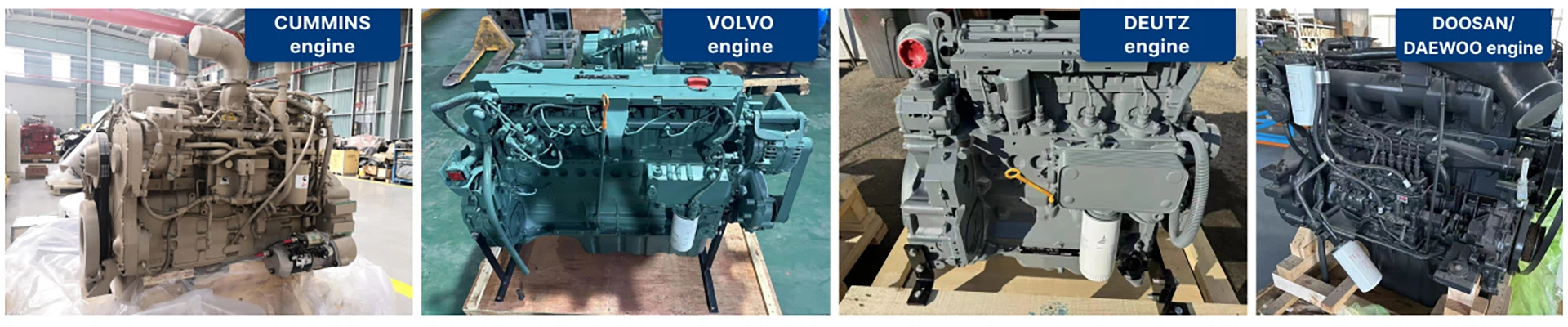
Structural design
Inline four-cylinder design: The structure is relatively simple and compact, which is conducive to the layout of the engine compartment, and is also easy to maintain and repair, reducing the number of parts and improving reliability.
Advanced fuel injection system: The use of direct injection technology can more accurately control the fuel injection amount and injection time, so that the fuel and air are fully mixed, and the combustion efficiency is improved, thereby improving power output and fuel economy.
Turbocharging and intercooling: Turbocharging technology can increase the intake volume, increase the power and torque of the engine, and the intercooler cools the supercharged air, reduces the intake temperature, increases the air density, further improves the performance of the engine, and also helps to reduce emissions.
Technical features
Combustion technology optimization: By optimizing the combustion process, the fuel is fully burned in the cylinder, reducing energy loss and improving thermal efficiency, which not only increases power output but also reduces fuel consumption.
Emission control technology: A series of advanced emission control technologies are adopted, such as optimizing injection strategies and improving combustion chamber design, to meet international environmental standards and reduce environmental pollution.
Low-noise operation: By optimizing the structure of the engine, such as using a balance shaft, optimizing the crankshaft connecting rod mechanism, etc., and accurately adjusting the fuel system, the noise and vibration of the engine are effectively reduced, providing a quieter working environment


